Understanding NFPA 96 Guidelines for Safer Commercial Kitchen Exhaust Systems
If you have ever worked in or managed a restaurant kitchen, you know how quickly grease accumulates. It collects on hoods, inside ductwork, on exhaust fans, and even on cooking equipment that sits near the exhaust path. That greasy film is not just unsightly. It is a serious fire hazard. The National Fire Protection Association publishes a set of standards known as NFPA 96, which lays out the requirements for the design, installation, operation, and maintenance of commercial kitchen exhaust systems. Following these NFPA 96 guidelines is not optional if you want to keep your kitchen and your staff safe.
Many operators treat hood cleaning as a box to check. They call a service once every few months, pay the invoice, and move on. But a real understanding of what the standard demands can make the difference between passing a fire marshal inspection and facing a costly shutdown. More importantly, it can prevent a fire that destroys the business. I have seen kitchens where the ductwork had months of caked-on grease because the cleaning crew only wiped the visible parts. That kind of shortcut violates the Bare Metal Standard, which is the core of NFPA 96's requirement for exhaust system cleanliness.
What the Bare Metal Standard Really Means
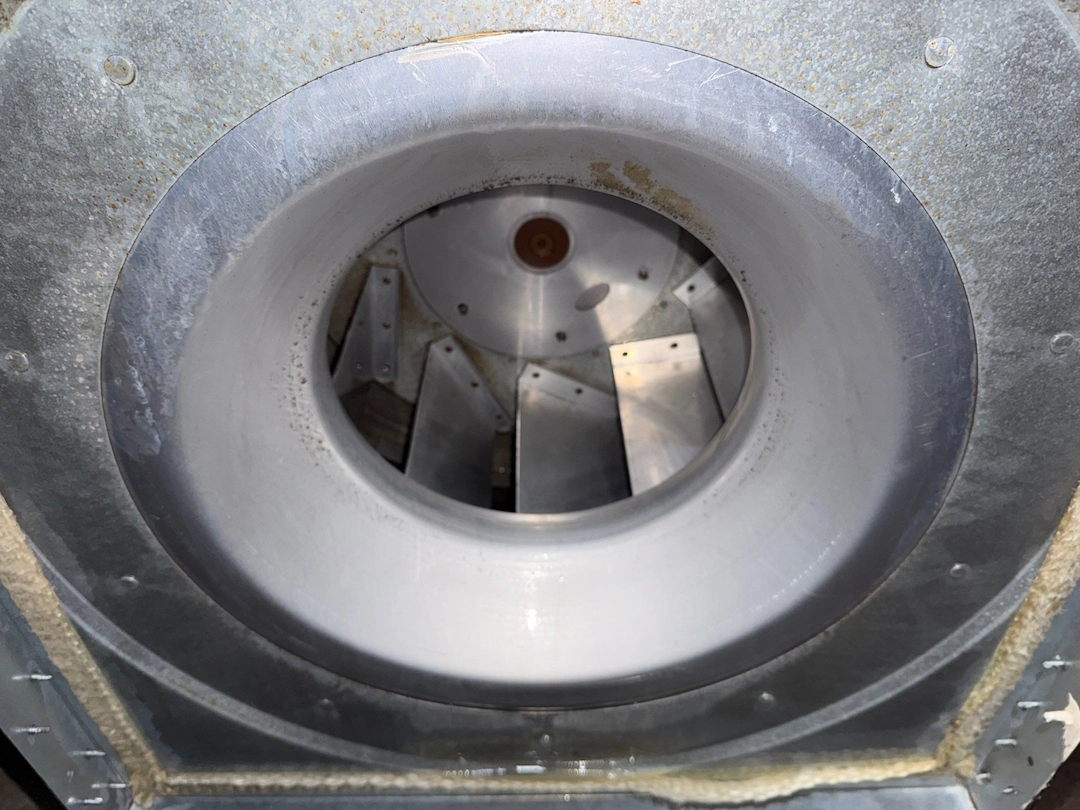
The Bare Metal Standard is simple on paper. It requires that after cleaning, all interior surfaces of the exhaust system be free of visible grease and residue. In practice, this is harder than it sounds. The exhaust system includes the hood, grease filters, ductwork, exhaust fan, and any fire suppression system components. Every inch of that path must be cleaned down to bare metal. That means taking apart sections of ductwork, scraping hardened carbon deposits, and using proper degreasers to remove the oily film that ordinary wiping leaves behind.
I once watched a crew clean a large chain restaurant's kitchen. The hood looked clean from below, but when they removed the filters and opened the duct access panels, there was a thick layer of black, sticky grease. That buildup was the result of months of skipped deep cleans. The crew spent an entire shift scraping and pressure washing. By the end, the ductwork shone like new. That is what NFPA 96 demands. Anything less is a fire risk.

The NFPA 96 guidelines also specify inspection frequency. Heavy-duty kitchens, such as those in fast-food restaurants or high-volume diners, may need monthly cleaning. Moderate-use kitchens, like those in casual dining spots, might pass with quarterly cleaning. Light-use kitchens, like church kitchens or seasonal operations, can sometimes get away with semi-annual cleaning. But the classification depends on the cooking equipment and the volume of grease produced. A charbroiler puts out far more grease than a steamer, so the exhaust system serving the charbroiler needs more frequent attention.
Fire Suppression and the Connection to NFPA 96
Fire suppression is a critical part of any commercial kitchen. Most systems use wet chemical agents that are tested to UL 300 standards. These systems are designed to put out a grease fire quickly, but they only work if the exhaust system is clean. A thick layer of grease can insulate the fire from the suppressant, or it can reignite after the agent is discharged. The NFPA 96 guidelines require that the fire suppression system be inspected and maintained according to the manufacturer's instructions, and that the exhaust system be clean so the suppression system can do its job.
I have seen a restaurant where the suppression system activated during a small grease fire in the fryer. The nozzles discharged, but the grease inside the hood had hardened into a crust that blocked the chemical from reaching the flames. The fire continued until the exhaust fan spread smoke throughout the dining area. Fortunately, no one was hurt, but the damage was significant. That incident could have been avoided if the hood cleaning had been thorough enough to meet the Bare Metal Standard.
When you schedule a hood inspection, the technician will check the condition of the grease filters, the ductwork, the exhaust fan, and the fire suppression system. They will note any deficiencies in the cleaning. If the system is not clean, the inspector will likely fail the inspection. That means you cannot operate until the cleaning is done. That downtime costs money and reputation. Following the NFPA 96 guidelines helps you avoid that scenario.
Practical Steps for Maintaining Compliance
Staying on top of fire code compliance does not have to be overwhelming. Here are a few practical steps that I have seen work in real kitchens:
- Keep a maintenance schedule that matches your kitchen's grease output. Track when each cleaning happens and who performed it.
- Use a qualified hood cleaning service that understands the Bare Metal Standard. Ask for before and after photos of the ductwork.
- Replace grease filters regularly. Clogged filters reduce airflow and allow more grease to enter the ductwork.
- Inspect the exhaust fan and ductwork at least once a month for visible buildup. If you see grease beyond a light film, schedule a cleaning.
- Train your kitchen staff to wipe down hood surfaces daily and to report any smoke or unusual heat from the exhaust system.
These steps are not expensive, but they do require discipline. The cost of a proper cleaning is far less than the cost of a fire, a fine, or a closure. I have seen operators who tried to save money by stretching the interval between cleanings. They ended up paying more for emergency cleanings and repairs when the fire marshal showed up for an unannounced inspection.
How the NFPA 96 Guidelines Affect Your Daily Operations
You might think that the NFPA 96 guidelines only matter during inspections, but they affect your kitchen every day. A clean exhaust system runs more efficiently. Grease build-up restricts airflow, making the exhaust fan work harder and increasing energy bills. It also creates a fire risk that could shut down your business at any moment. Regular hood cleaning ensures that your kitchen stays safe and that your equipment lasts longer.
I recall a conversation with a chef who ran a busy Italian restaurant. He complained that his exhaust fan kept tripping the breaker. We checked the ductwork and found a thick layer of grease that had partially blocked the fan intake. Once we cleaned it out, the fan ran smoothly and the breaker stopped tripping. That is a small example, but it shows how grease build-up causes real operational problems.
The NFPA 96 guidelines also address the installation of the exhaust system. Proper design includes the right size ductwork, adequate clearance from combustibles, and proper support for the hood and fan. If you are building a new kitchen or renovating an old one, make sure the contractor follows these standards. Retrofitting a poorly designed system is expensive and often impossible without major construction.
Why You Should Care About the National Fire Protection Association Standards
The National Fire Protection Association develops codes that are adopted by most local fire authorities. That means NFPA 96 is not just a suggestion. It is the basis for fire code compliance in your jurisdiction. If your local fire marshal inspects your kitchen, they will use NFPA 96 as the reference. If your exhaust system does not meet the Bare Metal Standard, you will be cited.

I have seen restaurants that were shut down for a day because the hood was not clean enough. The owner had to call a cleaning company on a Saturday, pay overtime rates, and miss a full day of sales. All because they let the grease build-up go too long. That is why I tell every kitchen operator to treat the NFPA 96 guidelines as a non-negotiable part of running a restaurant kitchen. It is not just about passing an inspection. It is about protecting your employees, your customers, and your livelihood.
If you want to learn more about the specifics of the standard, you can visit resources like cleanhoodpros.com, which provides detailed guides on maintaining a fire-safe commercial kitchen. But the key takeaway is simple: keep your exhaust system clean down to bare metal, follow the recommended cleaning frequency, and never cut corners on fire safety.